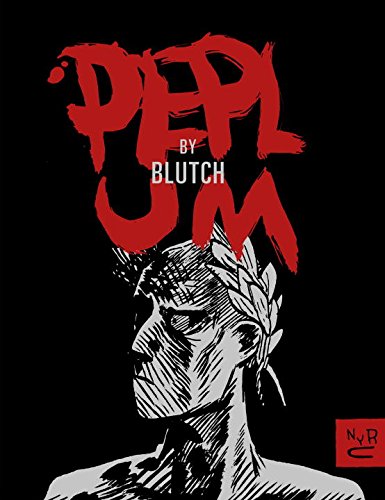
Blutch’s Peplum is in good company among Shea Hennum’s picks at the AV Club’s year-end Best Comics of 2016 list. Thank you Shea, Blutch, and New York Review Comics!
December 14th, 2016 § 0 comments § permalink
Blutch’s Peplum is in good company among Shea Hennum’s picks at the AV Club’s year-end Best Comics of 2016 list. Thank you Shea, Blutch, and New York Review Comics!
December 13th, 2016 § 0 comments § permalink
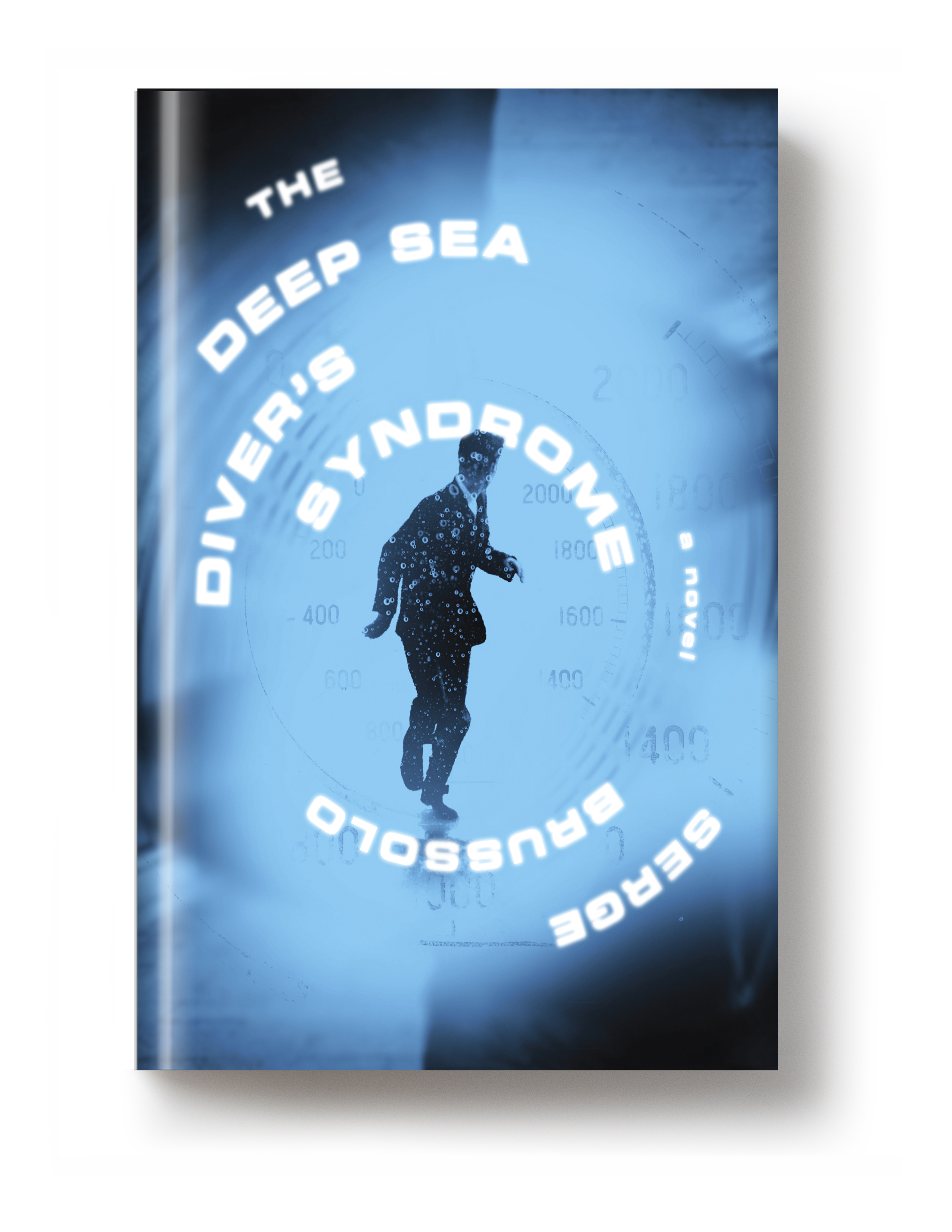
World Literature Today‘s annual list of 75 notable translations came out today, and on it was Serge Brussolo’s Deep Sea Diver’s Syndrome, no doubt thanks to a stellar review in their pages earlier this year by J. David Osborne.
December 12th, 2016 § 0 comments § permalink
For Strange Horizons, David Hebblethwaite reviews Serge Brussolo’s novel The Deep Sea Diver’s Syndrome:
What ultimately makes Brussolo’s novel work for me is how it knots its different strands into strange and distinctive shapes. There are grand imaginative spectacles…  There is plenty of detail of a society transformed by the mediums’ work… there are the small digressions… This is a novel that can’t be reduced to a metaphor, or a character study, or a work of pure imagination. It is all of these things at once, incompletely and held in tension.
In sum, The Deep Sea Diver’s Syndrome is a 360-degree cross section through a fictional world created and dispensed with in barely two hundred pages. It is as tantalizing, frustrating, and exhilarating as that sounds.
December 7th, 2016 § 0 comments § permalink

by Marc Lowenthal
As this savage year draws to an apocalyptic close, take a minute for the quiet wisdom of Belgian fabulist Paul Willems, author of the serenely harrowing stories in The Cathedral of Mist, out from Wakefield Press last July. Tin House and Eleven Eleven are featuring excerpts from his memories about surviving World War II in Belgium and its aftermath, composed with his usual artfulness and heartbreak.
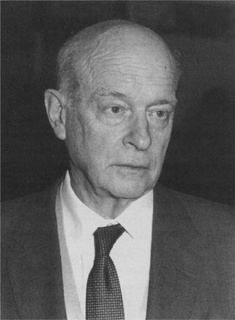
(Photo N. Hellyn – A.M.L.). Droits SOFAM.
December 2nd, 2016 § 0 comments § permalink
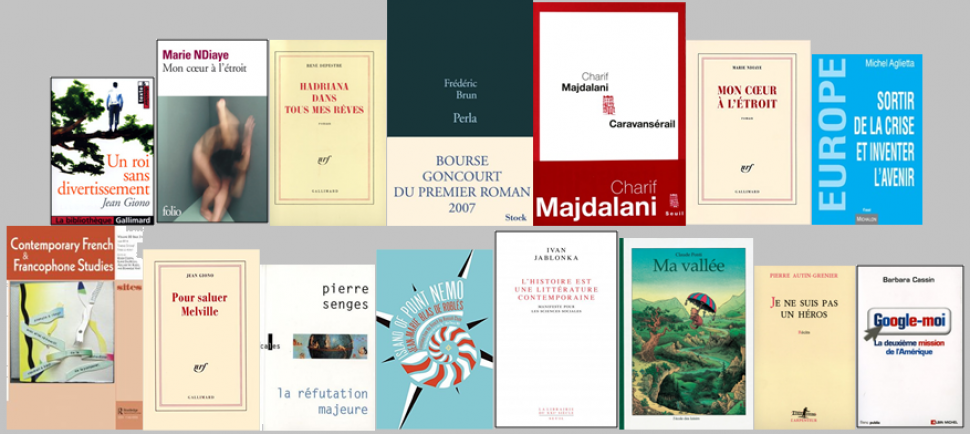
Congratulations to all the Hemingway Grant winners for 2016, announced at the Cultural Services for the French Consulate’s website! Charif Majdalani’s Moving the Palace (originally titled Caravansérail), forthcoming next April from New Vessel Books, is in incredible company:
The Hemingway Grant program, launched in the 1990s, has supported a steady number of publications in the U.S. For 2016, 13 titles and one review were selected. The beneficiaries form a wide collection of remarkable varied pieces of French literature, mainly contemporary works, remarkable essays, and charming children book.
December 1st, 2016 § 0 comments § permalink
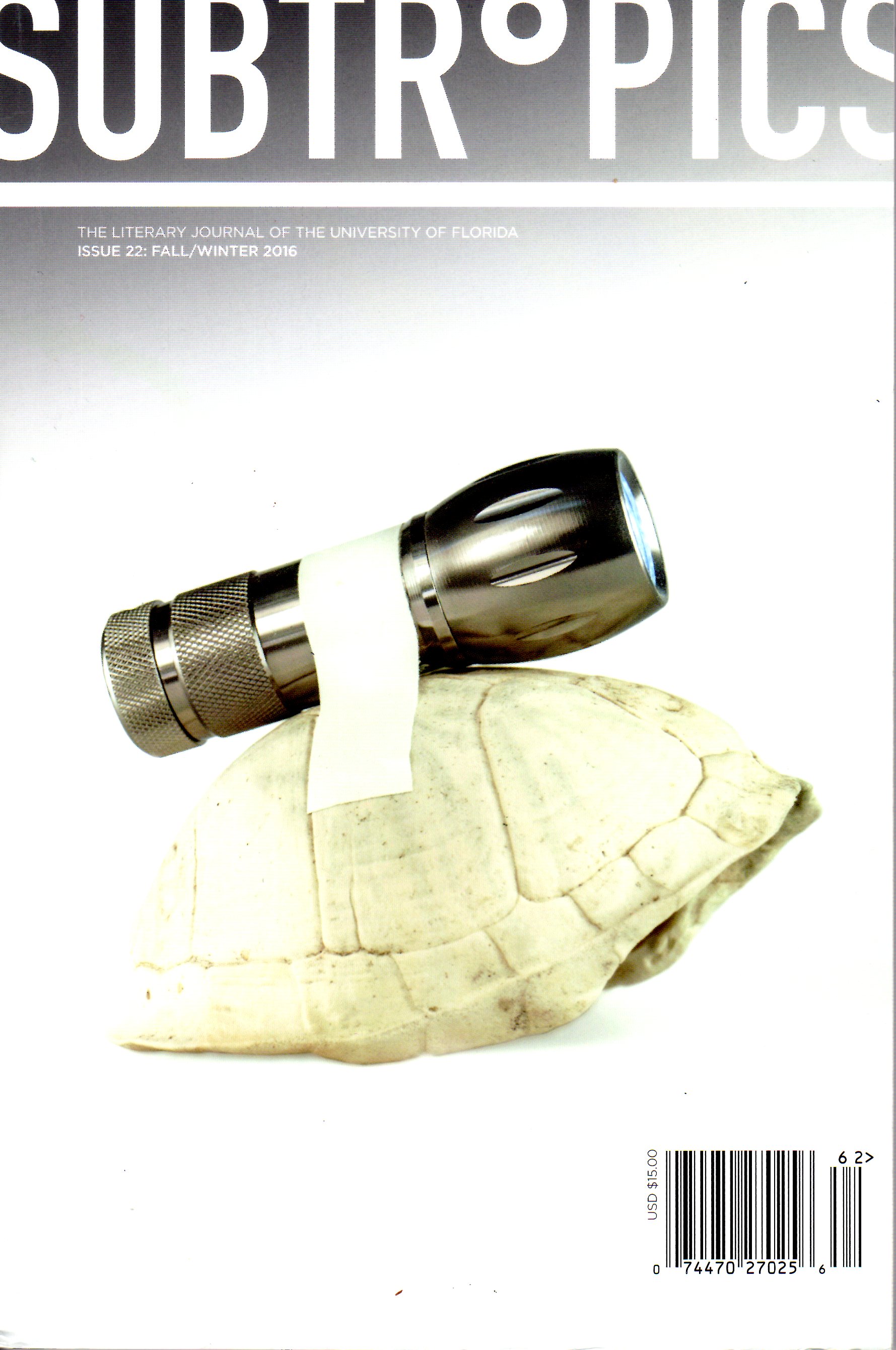
The latest issue of the University of Florida’s literary journal, Subtropics (Fall-Winter 2016), features Georges-Olivier Châteaureynaud at the top of his form with “The Fatted and the Fleshless,” a savage and surprisingly contemporary parable of job insecurity and fine dining. Foodies and destitution: call it socialist, with some Christian communion thrown in for good measure, and a timely reminder that the poor are always with us. Subtropics welcomes Châteaureynaud back after his story “Final Residence” in issue 14 (Spring/Summer 2012).
Here’s an excerpt from the story:
I was lucky enough to find a job fairly soon after suffering a sudden layoff. I had to move, but I made up my mind to do so without looking back. It would have been hard to imagine anyone more available than I was. In order to seize the opportunity I’d been offered, I would have relocated to the other side of the planet. As for the job itself, well, I’d worked in fulfillment before. Names to memorize, slips and forms to process: nothing to worry about there.
My belongings all fit inside a minivan. I’d never owned much anyway, besides a few hardwood odds and ends, some worn-out clothes, and some books. Intoxicated with freedom, I left most of these behind, not really wanting to encumber my future apartment in a brand-new building with the bric-a-brac of my former life. I moved in one spring afternoon. By four o’clock I’d settled in, at home among my bare necessities. My studio seemed all the more spacious for being almost empty. I enjoyed the sobriety of the bare walls, the light that bathed them through the still curtainless window. I was to take up my post the next day. I seized upon the remains of the day to scout out the warehouse where I’d be working on the office side of things. Even in this modest position, I counted as white-collar. The actual substance of the merchandise did not concern me. I would not have to know anything about it but reference numbers and destinations. I was satisfied, even delighted, with being but a tiny cog in a vast machine. After the disarray in which my layoff had left me, I’d now rejoined the ranks of the elect.
November 13th, 2016 § 0 comments § permalink
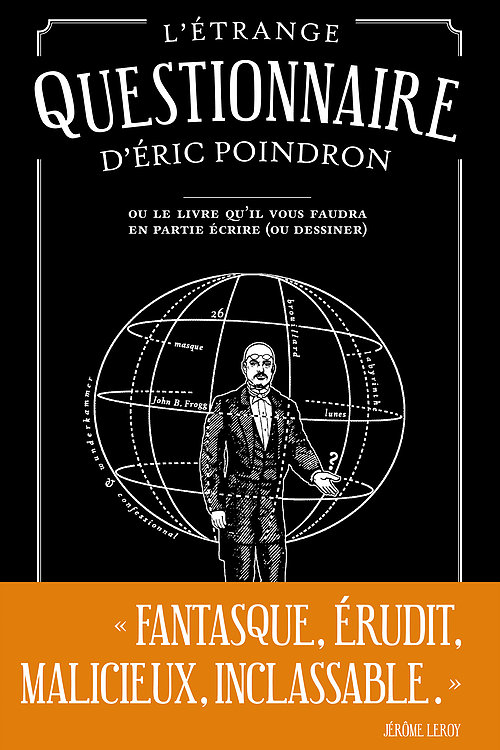
“Fanciful, erudite, mischievous, and unclassifiable,” Jérôme Leroy calls it. Readers may remember a post at Weird Fiction Review from late 2011, in which I presented the Étrange Questionnaire by Éric Poindron—writer, editor, would-be poet, historian of paraliterature. (He also curates a cabinet of curiosities, and believes in ghosts.) It is now a book, delectably conceived by Les Venterniers, a small French press, and augmented by an essay of my own (in translation), collected answers, as well as assorted oddities.
November 10th, 2016 § 0 comments § permalink
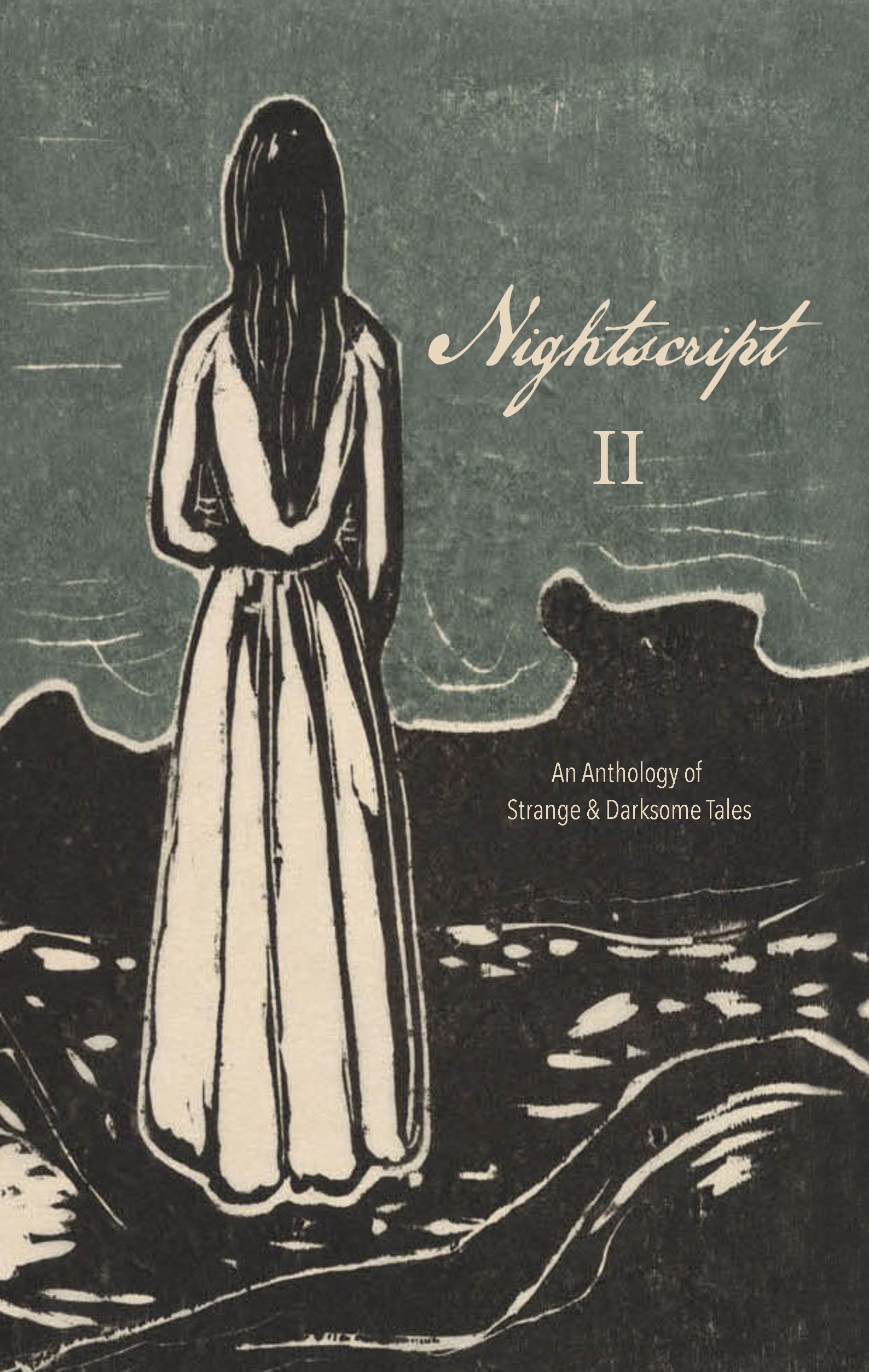
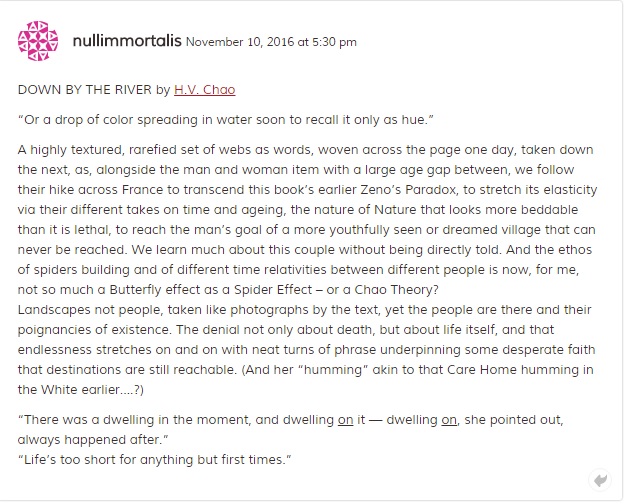
The erstwhile D.F. Lewis continues his hit “real-time gestalt reviews” of new releases in weird and supernatural fiction, going story by story through the second volume of Nightscript, the yearly anthology of C.M. Muller, Scrivener. Here’s his take on H.V. Chao’s “Down by the River”:
November 10th, 2016 § 0 comments § permalink

The science fiction issue of Bard College’s venerable literary mainstay Conjunctions, guest-edited by Elizabeth Hand, features my translation of “Cartoon†by Belgian fabulist Jean Muno, lately featured at The Missing Slate and in Year’s Best Weird Fiction Vol. 2 from Undertow Books, edited by Kathe Koja and Michael Kelly.
A longtime resident of the town of Malaise, Robert Burniaux, writing under the name Jean Muno, is among the best-known of Belgium’s Silver Age fabulists, heir to Jean Ray and Thomas Owen. His ever-wicked humor skewers the absurdity of the suburbs and their spiritual emptiness. The author of nine novels and four story collections, he received Belgium’s top literary prize, the Prix Rossel, in 1979, and was a member of Belgium’s Royal Academy of Languages and Literature. “Cartoon†is taken from his first collection, Histoires singulières. His work has also appeared in English in Kim Connell’s translations in the collection Glove of Passion, Voice of Blood and the anthology The Belgian School of the Strange.
Here’s an excerpt:
ON APRIL 18, 1977, AROUND 8:00 A.M., when Cecile Angenot had drawn the garnet drapes that hid the windows of her dining room, she noticed, in the middle of the lawn, between the red cedars and the edge of the decorative well, something like an oblong splash of light. An illusion, she thought, the sun in my eyes. Error: the irradiation was quite real. It was coming from a small Class 3 UFO, roughly cigar shaped and squamous in appearance; truth to tell, a bit screwball, with its tuft of slender antennae and its three crutch-like struts, one of which was patched up with a crude ligature. But Mrs. Angenot saw none of this: she had mislaid her glasses.
November 7th, 2016 § 0 comments § permalink
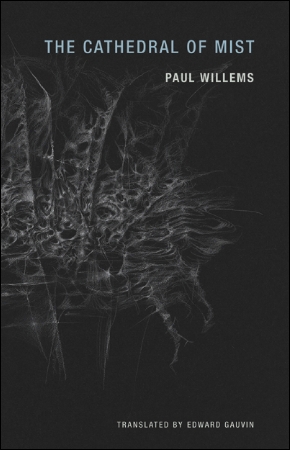
In the run-up to the Best Translated Book Awards, Monica Carter pens a lovely appreciation of Paul Willems’ The Cathedral of Mist:
By far, The Cathedral of Mist is going to be one of those works that I will read from time after time, always being inspired by something new within its pages… I couldn’t help but think, after reading The Cathedral of Mist, that Willems had applied Gaston Bachelard’s Poetics of Space and On Poetic Reverie and Imagination to perfection. His Elysian stories transport you to realities so vivid, even knowing they don’t exist, feel otherwise.
Willems voice is humorous, light, hopefully resigned to his imagination, and this combination infuses his pieces with a touching nostalgia. I can’t help but be in awe of Edward Gauvin’s translation (he has many fine translations…) that captures Willems’s essence[…]
Simply breathtaking.
Thank you!